2025
2025
2025
THE SPOTLIGHT
THE SPOTLIGHT
An annual look at how applied science, university research, and commercialization converge to create durable innovation in the Triangle.
An annual look at how applied science, university research, and commercialization converge to create durable innovation in the Triangle.
An annual look at how applied science, university research, and commercialization converge to create durable innovation in the Triangle.

The Triangle Advantage
The Triangle Advantage
The Triangle Advantage
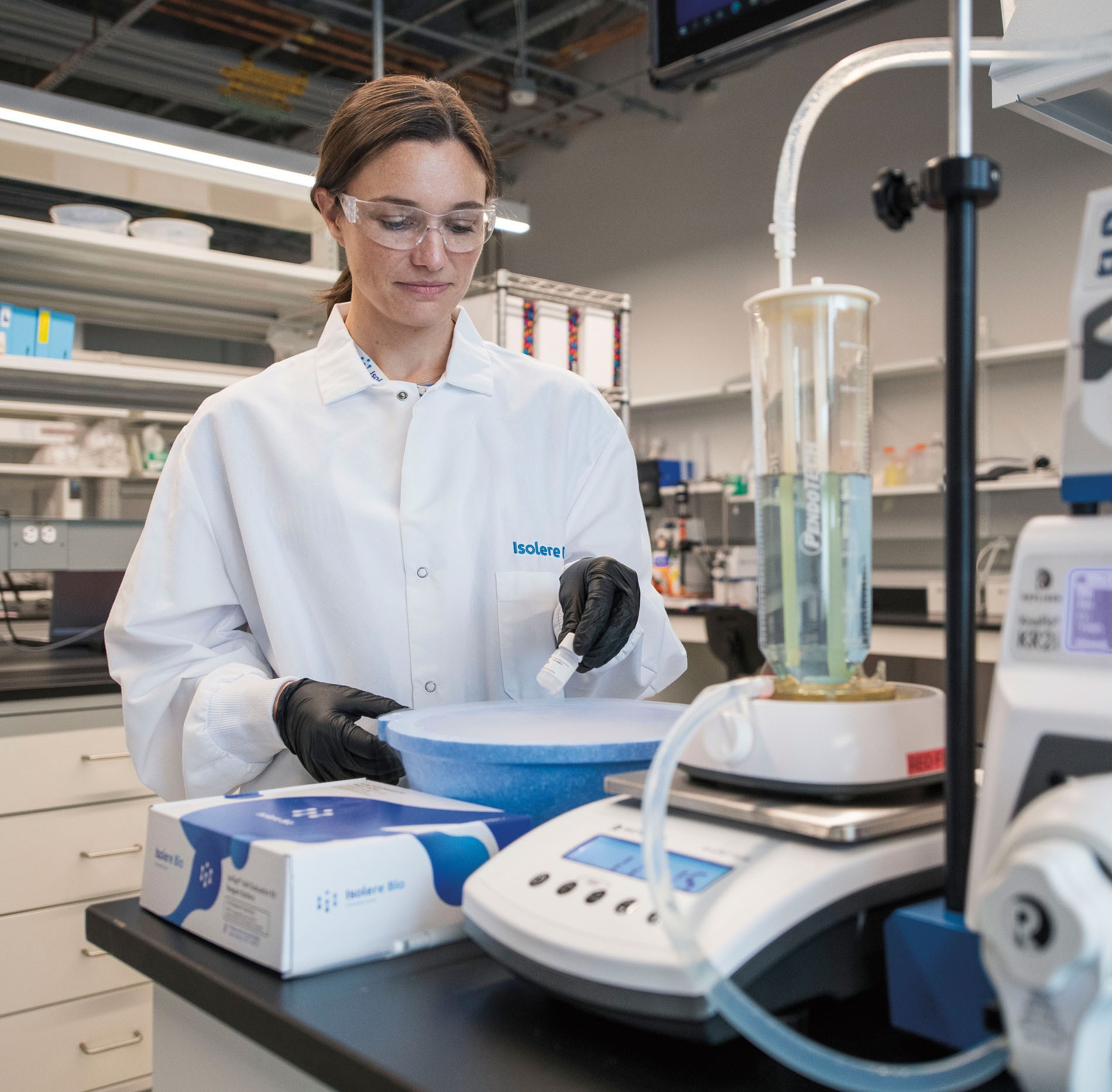
2025 marked our third year investing in the state of North Carolina at 2ndF. Over that period, we have consistently increased our focus on applied science startups—an intentionally broad term that encompasses businesses leveraging cutting-edge science to solve big problems. We continue to affirm our belief that North Carolina is a uniquely advantaged place to build an applied science business, particularly within the Triangle.
Each year, we dedicate a meaningful portion of our time to understanding how this ecosystem functions—its strengths and weaknesses alike—and to considering what we, as an organization and as a community, can do to best capitalize on our shared resources and history. At the end of each year, we highlight one or two key components of the region’s infrastructure, along with what we believe to be some of the Triangle’s most interesting early-stage businesses. 🔗 Last year, we examined the history of the Research Triangle and the structural choices that shaped its startup ecosystem. This year, as we continue to study the ecosystem and spotlight transformative companies, we aim to show that the Triangle’s progress is not the result of isolated wins, but of a system increasingly capable of producing them again and again.
In the Triangle, the foundational inputs of our research commercialization system—the process of translating scientific research into marketable solutions—are NC State, Duke, and UNC-Chapel Hill. All three are top-50 research universities located within 25 to 30 miles of one another, together receiving more than $3 billion annually in federally funded research. These institutions operate long-horizon programs across engineering, life sciences, materials science, and computation, continually generating a steady stream of applied science ventures rooted in technical depth and talent. While these universities are widely recognized for their economic impact as major employers, their more enduring contribution comes from the companies they help create—and the opportunity those companies represent for long-term wealth creation.
2025 marked our third year investing in the state of North Carolina at 2ndF. Over that period, we have consistently increased our focus on applied science startups—an intentionally broad term that encompasses businesses leveraging cutting-edge science to solve big problems. We continue to affirm our belief that North Carolina is a uniquely advantaged place to build an applied science business, particularly within the Triangle.
Each year, we dedicate a meaningful portion of our time to understanding how this ecosystem functions—its strengths and weaknesses alike—and to considering what we, as an organization and as a community, can do to best capitalize on our shared resources and history. At the end of each year, we highlight one or two key components of the region’s infrastructure, along with what we believe to be some of the Triangle’s most interesting early-stage businesses. 🔗 Last year, we examined the history of the Research Triangle and the structural choices that shaped its startup ecosystem. This year, as we continue to study the ecosystem and spotlight transformative companies, we aim to show that the Triangle’s progress is not the result of isolated wins, but of a system increasingly capable of producing them again and again.
In the Triangle, the foundational inputs of our research commercialization system—the process of translating scientific research into marketable solutions—are NC State, Duke, and UNC-Chapel Hill. All three are top-50 research universities located within 25 to 30 miles of one another, together receiving more than $3 billion annually in federally funded research. These institutions operate long-horizon programs across engineering, life sciences, materials science, and computation, continually generating a steady stream of applied science ventures rooted in technical depth and talent. While these universities are widely recognized for their economic impact as major employers, their more enduring contribution comes from the companies they help create—and the opportunity those companies represent for long-term wealth creation.
2025 marked our third year investing in the state of North Carolina at 2ndF. Over that period, we have consistently increased our focus on applied science startups—an intentionally broad term that encompasses businesses leveraging cutting-edge science to solve big problems. We continue to affirm our belief that North Carolina is a uniquely advantaged place to build an applied science business, particularly within the Triangle.
Each year, we dedicate a meaningful portion of our time to understanding how this ecosystem functions—its strengths and weaknesses alike—and to considering what we, as an organization and as a community, can do to best capitalize on our shared resources and history. At the end of each year, we highlight one or two key components of the region’s infrastructure, along with what we believe to be some of the Triangle’s most interesting early-stage businesses. 🔗 Last year, we examined the history of the Research Triangle and the structural choices that shaped its startup ecosystem. This year, as we continue to study the ecosystem and spotlight transformative companies, we aim to show that the Triangle’s progress is not the result of isolated wins, but of a system increasingly capable of producing them again and again.
In the Triangle, the foundational inputs of our research commercialization system—the process of translating scientific research into marketable solutions—are NC State, Duke, and UNC-Chapel Hill. All three are top-50 research universities located within 25 to 30 miles of one another, together receiving more than $3 billion annually in federally funded research. These institutions operate long-horizon programs across engineering, life sciences, materials science, and computation, continually generating a steady stream of applied science ventures rooted in technical depth and talent. While these universities are widely recognized for their economic impact as major employers, their more enduring contribution comes from the companies they help create—and the opportunity those companies represent for long-term wealth creation.
University Commercialization
University Commercialization
To understand why universities play such a central role in the Triangle’s ecosystem—and how they came to sit at the heart of modern innovation and company formation—it is worth stepping back to the origins of university research and commercialization itself.
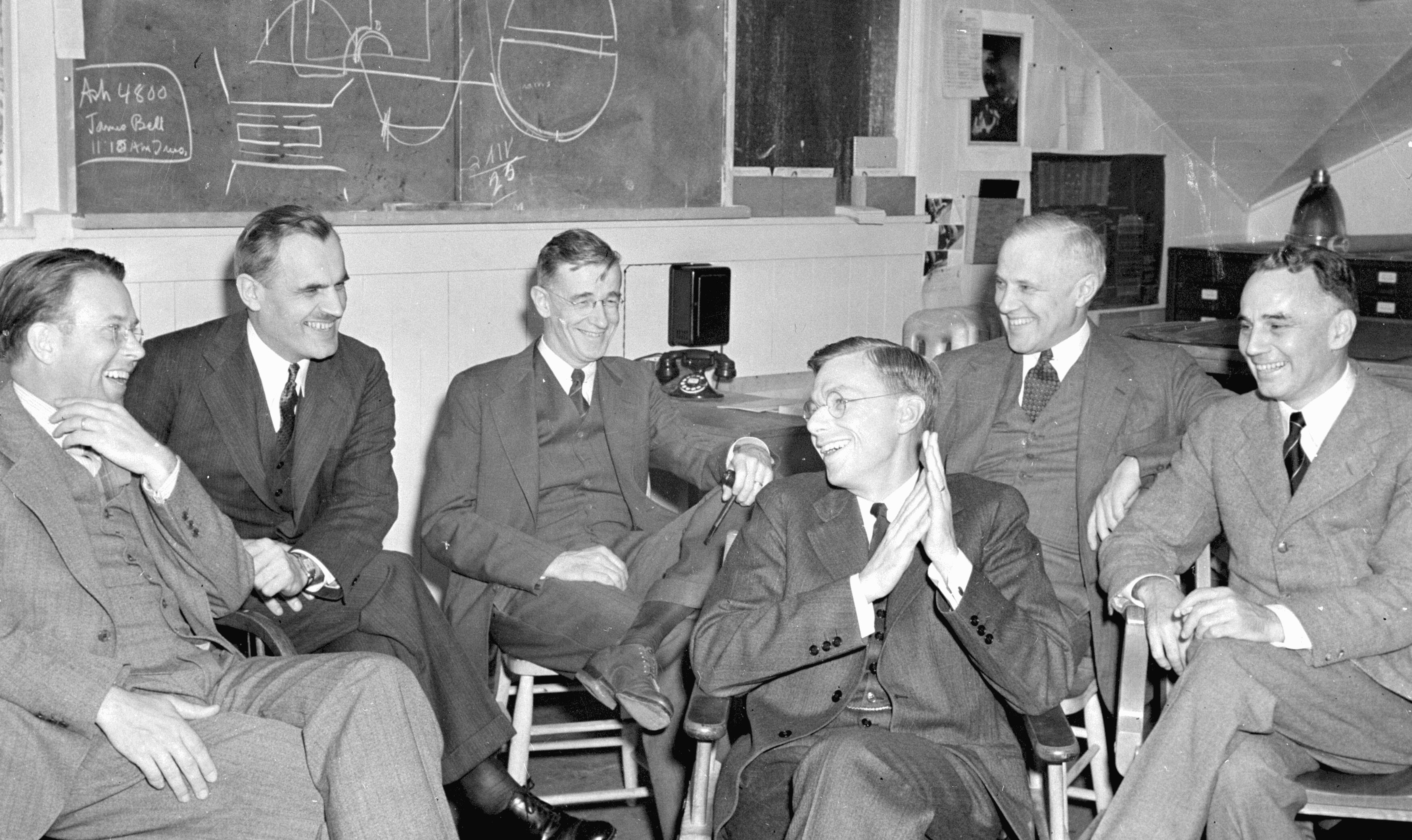
The modern system of university research and commercialization did not evolve gradually; it was built under crisis. During World War II, the United States faced technical challenges that markets could not price and industry could not solve on its own. Radar, communications, advanced materials, cryptography, medicine, and logistics all demanded breakthroughs that were technologically rigorous, capital-intensive, and urgent. In response, the federal government turned to universities—not as academic sanctuaries, but as applied research engines. For the first time, universities were funded to pursue purpose-built, mission-driven research, with success measured not by publication alone, but by performance.
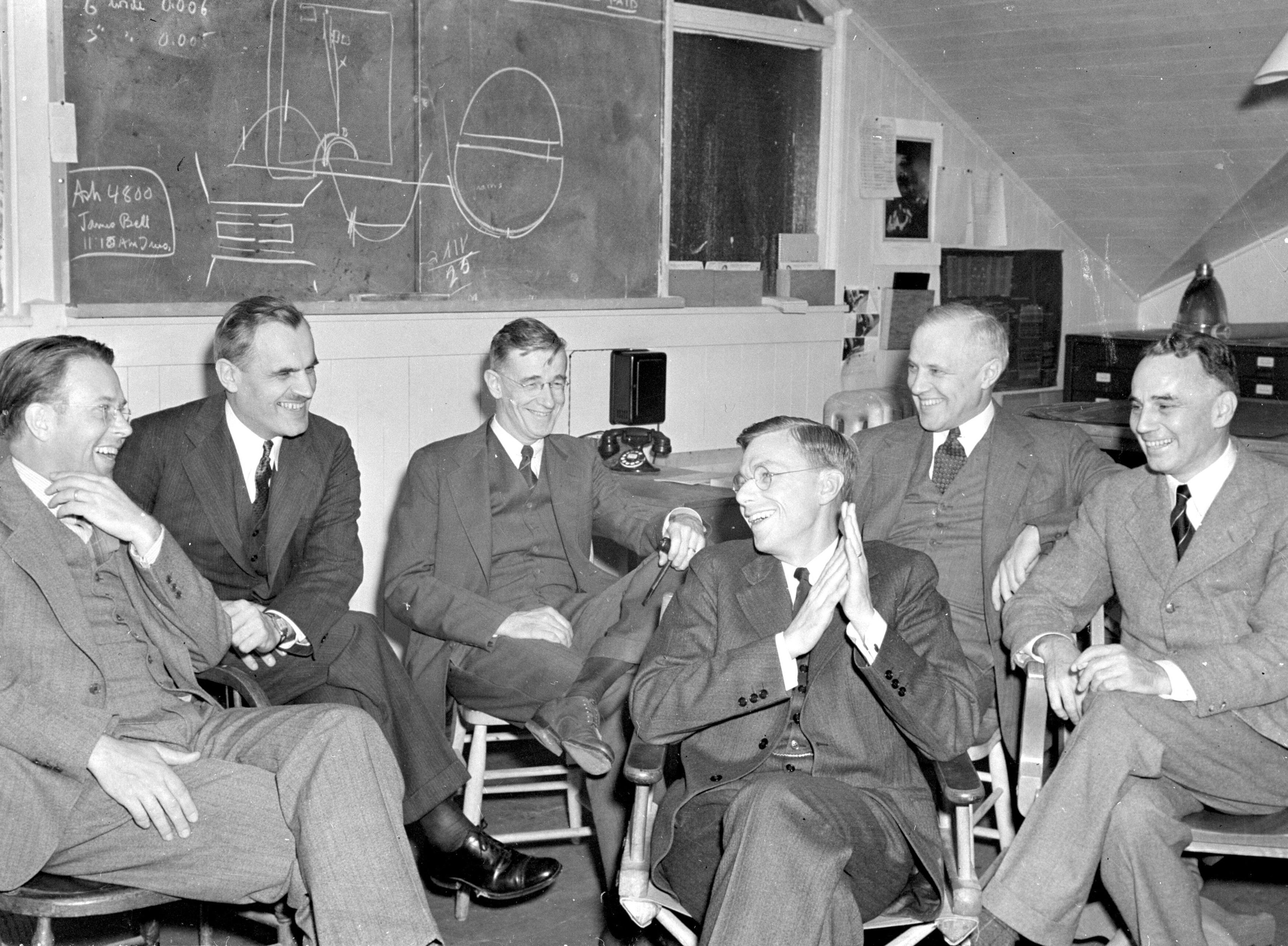
This system was organized and formalized by Vannevar Bush, who led the U.S. Office of Scientific Research and Development during World War II. Bush’s lasting contribution was not a single invention, but a framework—one that empowered researchers with both autonomy and funding to translate scientific advances into technologies that would shape everyday life. In 1945, he articulated this vision in 🔗 Science, The Endless Frontier, emphasizing the essential role university research plays in national security and economic leadership.
To understand why universities play such a central role in the Triangle’s ecosystem—and how they came to sit at the heart of modern innovation and company formation—it is worth stepping back to the origins of university research and commercialization itself.
The modern system of university research and commercialization did not evolve gradually; it was built under crisis. During World War II, the United States faced technical challenges that markets could not price and industry could not solve on its own. Radar, communications, advanced materials, cryptography, medicine, and logistics all demanded breakthroughs that were technologically rigorous, capital-intensive, and urgent. In response, the federal government turned to universities—not as academic sanctuaries, but as applied research engines. For the first time, universities were funded to pursue purpose-built, mission-driven research, with success measured not by publication alone, but by performance.
This system was organized and formalized by Vannevar Bush, who led the U.S. Office of Scientific Research and Development during World War II. Bush’s lasting contribution was not a single invention, but a framework—one that empowered researchers with both autonomy and funding to translate scientific advances into technologies that would shape everyday life. In 1945, he articulated this vision in 🔗 Science, The Endless Frontier, emphasizing the essential role university research plays in national security and economic leadership.

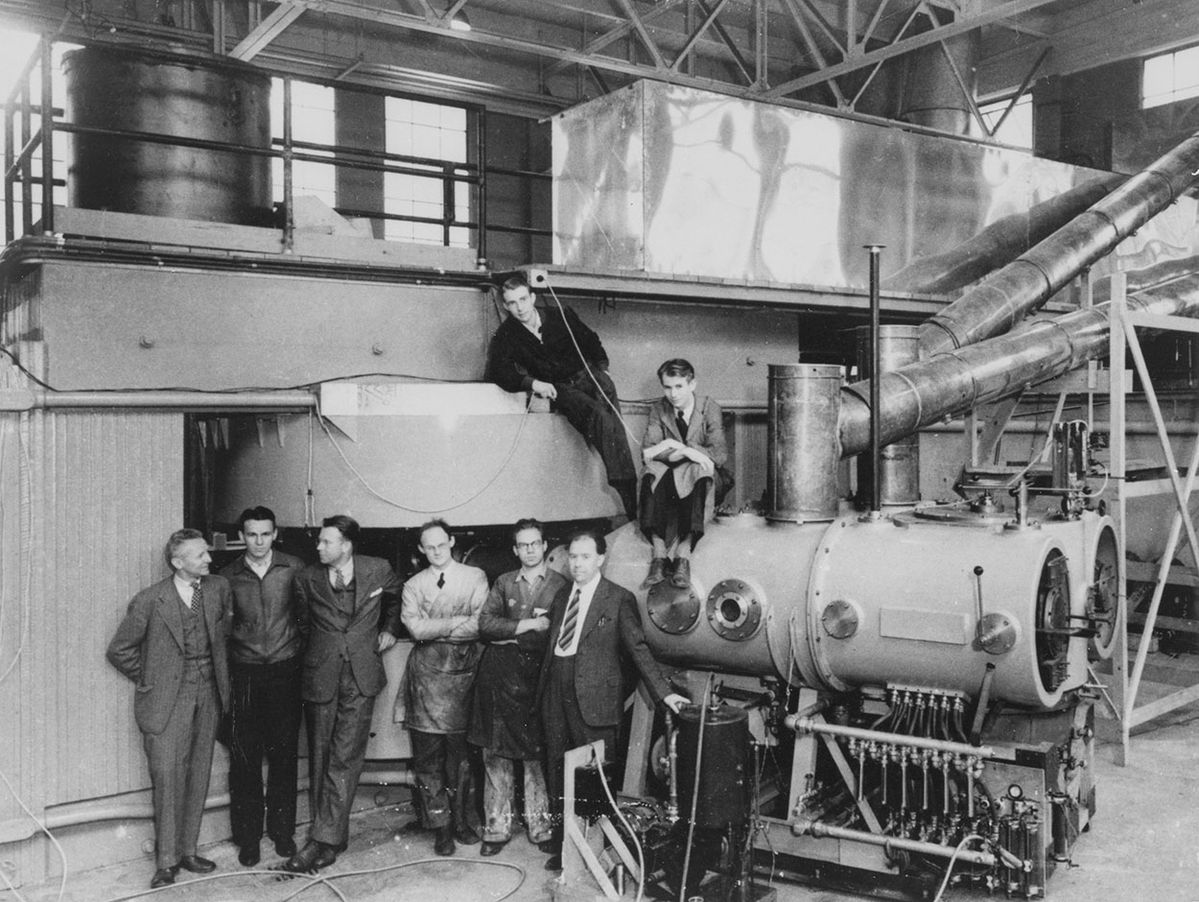


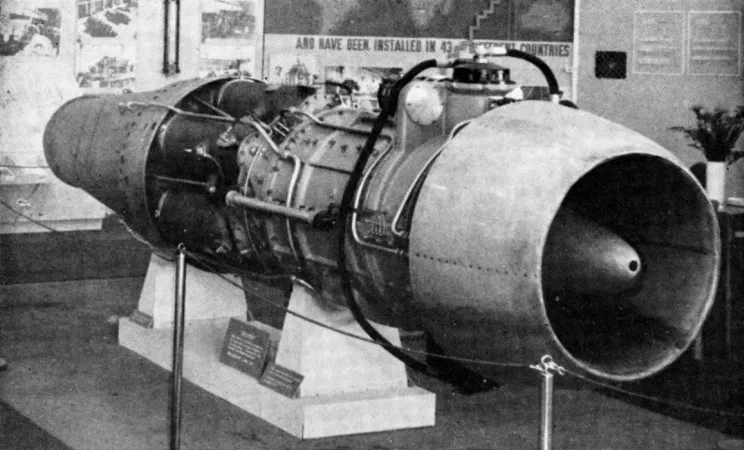
When the war ended, the system did not. Federal research funding expanded significantly, and universities responded by building permanent laboratories, hiring research faculty at scale, and developing the institutional capacity to carry technical risk over long periods of time. The modern research university quickly became a foundational pillar of the nation’s innovation infrastructure.
Across disciplines and decades, the pattern has remained consistent: universities operate at the front lines of discovery, taking on the earliest technical challenges and advancing ideas far enough to matter. That work creates the foundation upon which private capital and industry build, scale, and compete. In this way, universities remain the workhorses of innovation.
Regions with the Triangle’s concentration of talent and research infrastructure are rare. What ultimately determines outcomes is not whether discovery occurs, but whether the surrounding institutions are structured to carry innovation across the gap from lab to company. Alignment—not invention—is the constraint.
When the war ended, the system did not. Federal research funding expanded significantly. Universities built permanent laboratories, hired research faculty at scale, and developed the institutional capacity to carry technical risk over long periods of time. The modern research university quickly became a pivotal component of national innovation infrastructure.
Across disciplines and decades, the pattern has remained consistent: universities operate at the front lines of discovery, taking on the earliest technical challenges and advancing ideas far enough to matter. That work creates the foundation on which private capital and industry build, scale, and compete. In doing so, universities remain the workhorses of innovation.
Regions with the Triangle’s concentration of talent and research infrastructure are rare. What ultimately determines outcomes is not whether discovery occurs, but whether surrounding institutions are structured to carry innovation across the gap from lab to company. Alignment—not invention—is the constraint.
To understand why universities play such a central role in the Triangle’s ecosystem—and how they came to sit at the heart of modern innovation and company formation—it is worth stepping back to the origins of university research and commercialization itself.
The modern system of university research and commercialization did not evolve gradually; it was built under crisis. During World War II, the United States faced technical challenges that markets could not price and industry could not solve on its own. Radar, communications, advanced materials, cryptography, medicine, and logistics all demanded breakthroughs that were technologically rigorous, capital-intensive, and urgent. In response, the federal government turned to universities—not as academic sanctuaries, but as applied research engines. For the first time, universities were funded to pursue purpose-built, mission-driven research, with success measured not by publication alone, but by performance.
This system was organized and formalized by Vannevar Bush, who led the U.S. Office of Scientific Research and Development during World War II. Bush’s lasting contribution was not a single invention, but a framework—one that empowered researchers with both autonomy and funding to translate scientific advances into technologies that would shape everyday life. In 1945, he articulated this vision in 🔗 Science, The Endless Frontier, emphasizing the essential role university research plays in national security and economic leadership.
When the war ended, the system did not. Federal research funding expanded significantly, and universities responded by building permanent laboratories, hiring research faculty at scale, and developing the institutional capacity to carry technical risk over long periods of time. The modern research university quickly became a foundational pillar of the nation’s innovation infrastructure.
Across disciplines and decades, the pattern has remained consistent: universities operate at the front lines of discovery, taking on the earliest technical challenges and advancing ideas far enough to matter. That work creates the foundation upon which private capital and industry build, scale, and compete. In this way, universities remain the workhorses of innovation.
Regions with the Triangle’s concentration of talent and research infrastructure are rare. What ultimately determines outcomes is not whether discovery occurs, but whether the surrounding institutions are structured to carry innovation across the gap from lab to company. Alignment—not invention—is the constraint.
University Commercialization
The Future
The Future
The Future
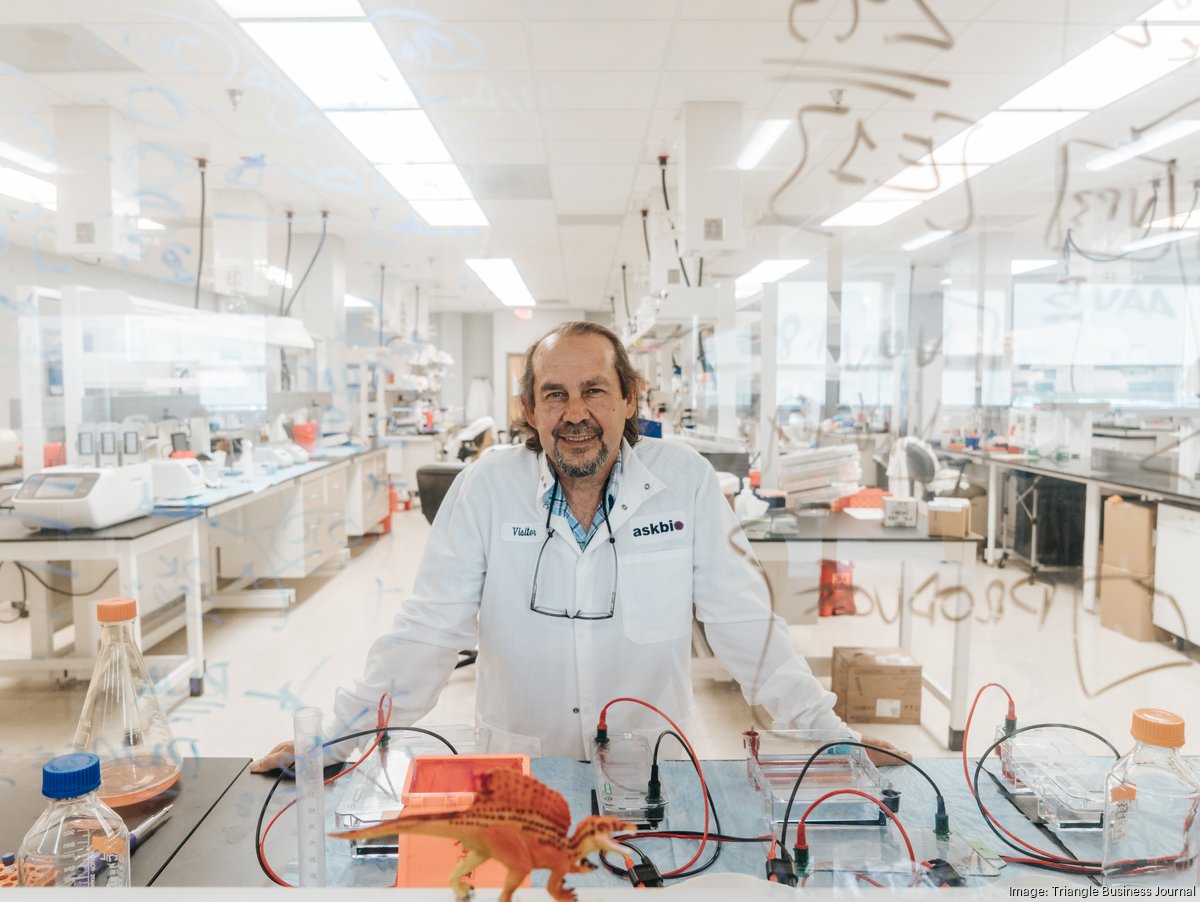
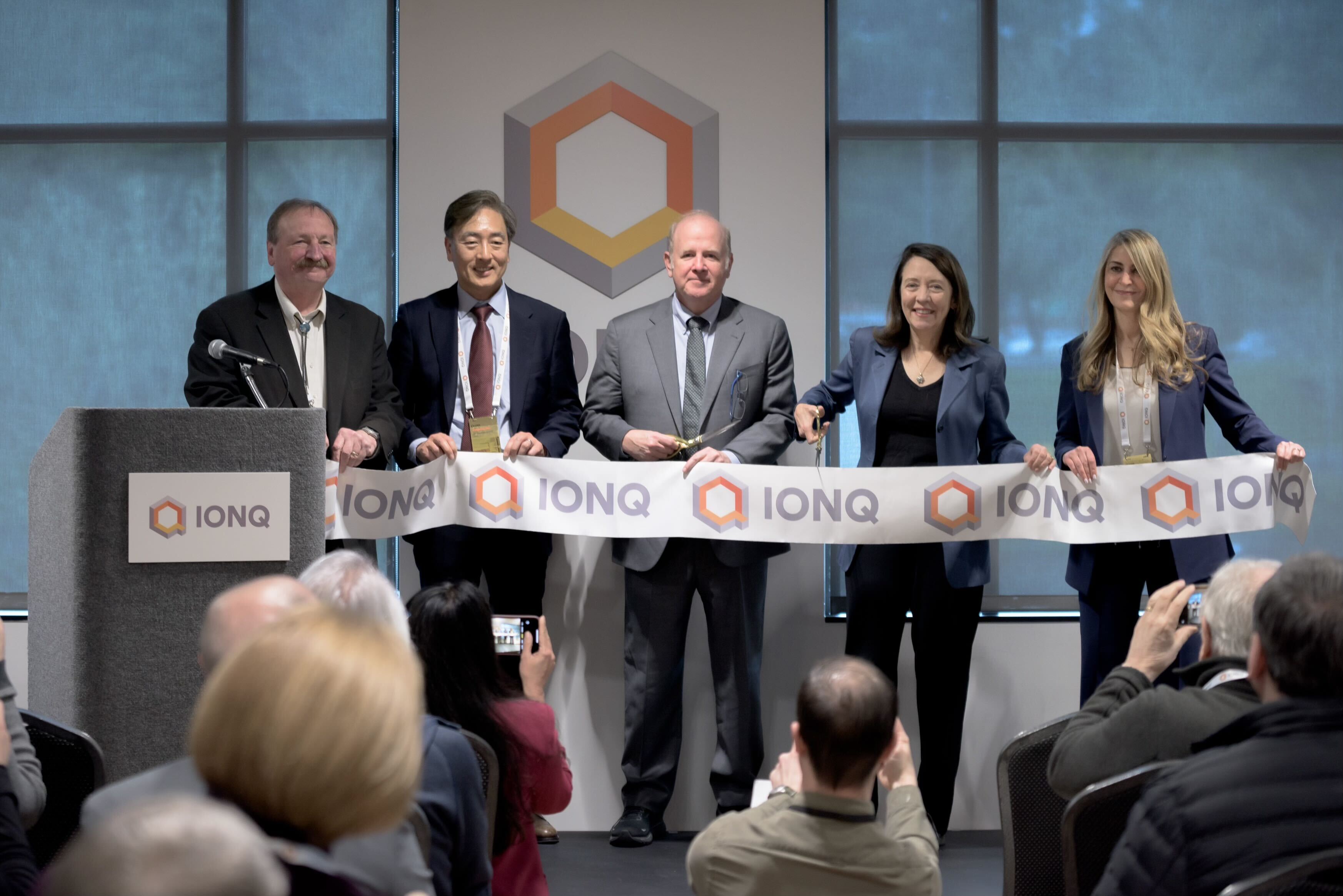
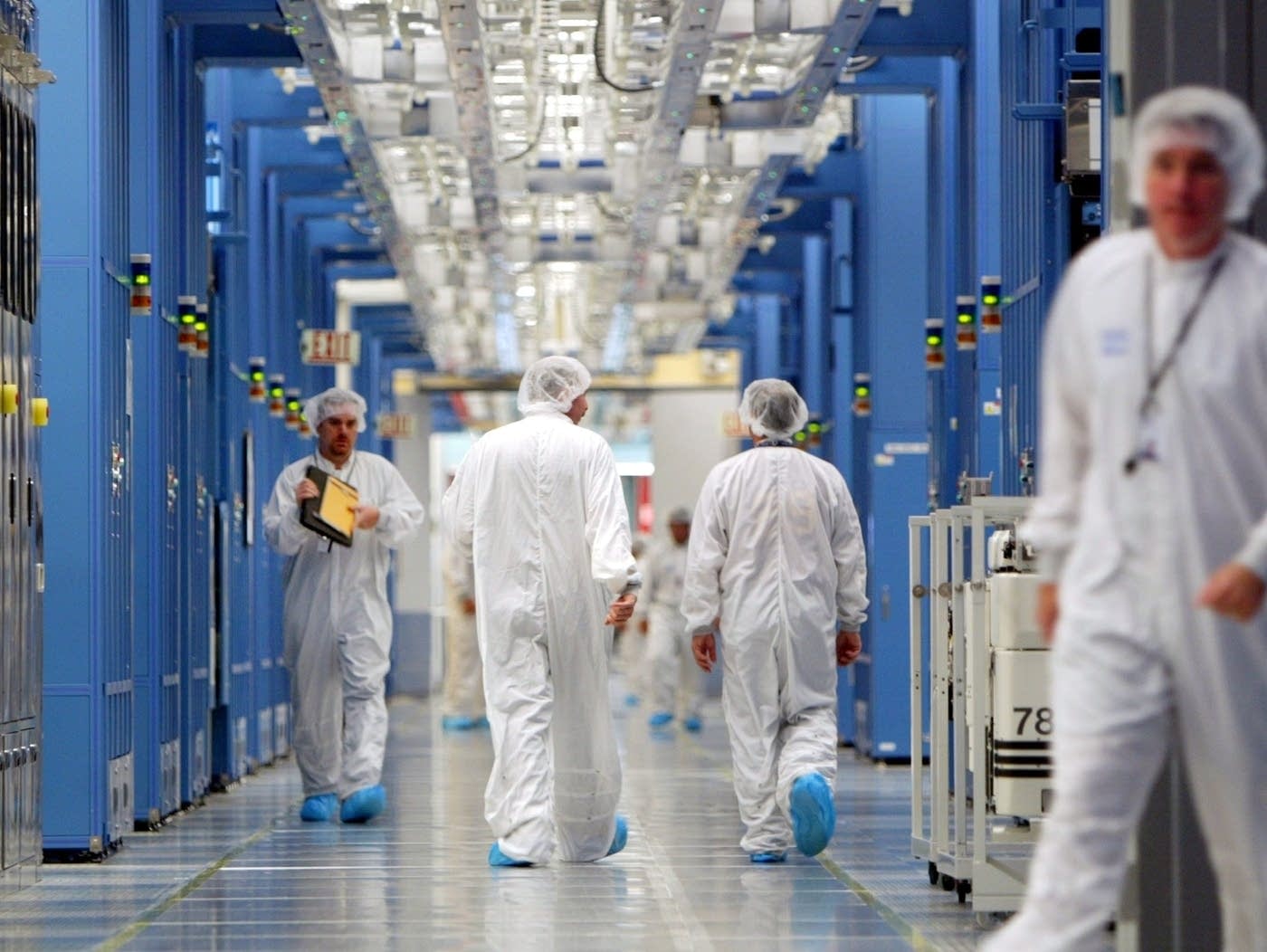
The Triangle’s university commercialization model is building on a history of billion-dollar outcomes. At UNC–Chapel Hill, AskBio translated academic gene therapy research into a company that was ultimately acquired by Bayer. At NC State, Wolfspeed—originally founded as Cree—emerged from decades of silicon carbide research and grew into a publicly traded semiconductor company employing thousands of people. At Duke, IonQ spun out of university research in trapped-ion quantum systems and went public in 2021, helping establish one of the first commercial footholds in quantum computing.
This is what successful university-driven commercialization looks like in practice. Each originated in long-running university research programs. Each required sustained public funding, patient capital, and years of technical maturation. And each generated economic impact not only through exits or public market value, but through job creation, follow-on companies, and downstream industry formation.
The Triangle’s university commercialization model is building on a history of billion-dollar outcomes. At UNC–Chapel Hill, AskBio translated academic gene therapy research into a company that was ultimately acquired by Bayer. At NC State, Wolfspeed—originally founded as Cree—emerged from decades of silicon carbide research and grew into a publicly traded semiconductor company employing thousands of people. At Duke, IonQ spun out of university research in trapped-ion quantum systems and went public in 2021, helping establish one of the first commercial footholds in quantum computing.
This is what successful university-driven commercialization looks like in practice. Each originated in long-running university research programs. Each required sustained public funding, patient capital, and years of technical maturation. And each generated economic impact not only through exits or public market value, but through job creation, follow-on companies, and downstream industry formation.

The Triangle’s commercialization story is still being written, with these same universities producing a new generation of researchers whose work carries similar platform-level potential.
At NC State, Dr. Rodolphe Barrangou is known for his foundational role in CRISPR biology—work that helped catalyze the modern gene-editing ecosystem and continues to generate commercial spinouts and applied research programs. He has gone on to found companies with significant potential, including Locus Biosciences, TreeCo, Ancillia Biosciences, and others.
At Duke, Dr. Charles Gersbach is advancing next-generation gene editing and genome engineering technologies through his company Tune Therapeutics, while Dr. Jungsang Kim continues to push the frontier of quantum computing hardware and systems that extend well beyond first-generation platforms like IonQ.
At UNC–Chapel Hill, the ability to continue producing meaningful outcomes now depends less on any single lab and more on the institution’s willingness to recruit, enable, and retain the best possible researchers. The previous era demonstrated what is achievable when world-class scientific talent is paired with institutional support and a clear path to translation. Outcomes associated with figures such as Dr. Jude Samulski, Dr. Ned Sharpless, and Drs. Nancy and Joseph Albritton were not accidents. They were the result of deliberate hiring, sustained investment, and an environment that enabled ambitious science to move beyond the lab. As that generation of innovators has transitioned out, the question is whether UNC will continue to make those same bets. The next chapter will be shaped by who the university chooses to bring in, how aggressively it supports them, and whether it remains committed to enabling research with the potential to translate into companies and long-term economic impact.
The success of the Triangle does not rely solely on world-class research; it depends on the rare transition from researcher to researcher-founder. This evolution requires far more than technical mastery. It demands humility, a high tolerance for risk, and the ability to cultivate and activate networks that extend well beyond the campus gates. These leaders should not be treated as happy accidents, but recognized for what they are: a primary engine of the ecosystem.
University commercialization matters more now than ever because the center of value creation has shifted upstream. The hardest and most valuable problems today are rooted in biology, materials, energy, computation, and measurement—domains where progress begins as research long before it resembles a product or a company. That early work happens almost entirely inside universities. At the same time, private capital markets have narrowed their appetite for foundational risk, and corporate R&D has become increasingly incremental. The result is a growing stockpile of unrealized intellectual capital within research institutions that bear the cost of discovery, while comparatively little has been invested in converting that discovery into durable companies.
That gap is not philosophical; it is economic. Given the challenges facing the university business model today, commercialization can no longer be a peripheral activity—it must be core to the university’s mission and operations. Research commercialization represents one of the most asymmetric monetization opportunities in the modern economy. Institutions that resource it seriously will shape industries and anchor regional growth, while those that do not will continue exporting their breakthroughs to ecosystems willing to do the work.
The Triangle’s commercialization story is still being written, with these same universities producing a new generation of researchers whose work carries similar platform-level potential.
At NC State, Dr. Rodolphe Barrangou is known for his foundational role in CRISPR biology—work that helped catalyze the modern gene-editing ecosystem and continues to generate commercial spinouts and applied research programs. He has gone on to found companies with significant potential, including Locus Biosciences, TreeCo, Ancillia Biosciences, and others.
At Duke, Dr. Charles Gersbach is advancing next-generation gene editing and genome engineering technologies through his company Tune Therapeutics, while Dr. Jungsang Kim continues to push the frontier of quantum computing hardware and systems that extend well beyond first-generation platforms like IonQ.
At UNC–Chapel Hill, the ability to continue producing meaningful outcomes now depends less on any single lab and more on the institution’s willingness to recruit, enable, and retain the best possible researchers. The previous era demonstrated what is achievable when world-class scientific talent is paired with institutional support and a clear path to translation. Outcomes associated with figures such as Dr. Jude Samulski, Dr. Ned Sharpless, and Drs. Nancy and Joseph Albritton were not accidents. They were the result of deliberate hiring, sustained investment, and an environment that enabled ambitious science to move beyond the lab. As that generation of innovators has transitioned out, the question is whether UNC will continue to make those same bets. The next chapter will be shaped by who the university chooses to bring in, how aggressively it supports them, and whether it remains committed to enabling research with the potential to translate into companies and long-term economic impact.
The success of the Triangle does not rely solely on world-class research; it depends on the rare transition from researcher to researcher-founder. This evolution requires far more than technical mastery. It demands humility, a high tolerance for risk, and the ability to cultivate and activate networks that extend well beyond the campus gates. These leaders should not be treated as happy accidents, but recognized for what they are: a primary engine of the ecosystem.
University commercialization matters more now than ever because the center of value creation has shifted upstream. The hardest and most valuable problems today are rooted in biology, materials, energy, computation, and measurement—domains where progress begins as research long before it resembles a product or a company. That early work happens almost entirely inside universities. At the same time, private capital markets have narrowed their appetite for foundational risk, and corporate R&D has become increasingly incremental. The result is a growing stockpile of unrealized intellectual capital within research institutions that bear the cost of discovery, while comparatively little has been invested in converting that discovery into durable companies.
That gap is not philosophical; it is economic. Given the challenges facing the university business model today, commercialization can no longer be a peripheral activity—it must be core to the university’s mission and operations. Research commercialization represents one of the most asymmetric monetization opportunities in the modern economy. Institutions that resource it seriously will shape industries and anchor regional growth, while those that do not will continue exporting their breakthroughs to ecosystems willing to do the work.
The Triangle’s university commercialization model is building on a history of billion-dollar outcomes. At UNC–Chapel Hill, AskBio translated academic gene therapy research into a company that was ultimately acquired by Bayer. At NC State, Wolfspeed—originally founded as Cree—emerged from decades of silicon carbide research and grew into a publicly traded semiconductor company employing thousands of people. At Duke, IonQ spun out of university research in trapped-ion quantum systems and went public in 2021, helping establish one of the first commercial footholds in quantum computing.
This is what successful university-driven commercialization looks like in practice. Each originated in long-running university research programs. Each required sustained public funding, patient capital, and years of technical maturation. And each generated economic impact not only through exits or public market value, but through job creation, follow-on companies, and downstream industry formation.
The Triangle’s commercialization story is still being written, with these same universities producing a new generation of researchers whose work carries similar platform-level potential.
At NC State, Dr. Rodolphe Barrangou is known for his foundational role in CRISPR biology—work that helped catalyze the modern gene-editing ecosystem and continues to generate commercial spinouts and applied research programs. He has gone on to found companies with significant potential, including Locus Biosciences, TreeCo, Ancillia Biosciences, and others.
At Duke, Dr. Charles Gersbach is advancing next-generation gene editing and genome engineering technologies through his company Tune Therapeutics, while Dr. Jungsang Kim continues to push the frontier of quantum computing hardware and systems that extend well beyond first-generation platforms like IonQ.
At UNC–Chapel Hill, the ability to continue producing meaningful outcomes now depends less on any single lab and more on the institution’s willingness to recruit, enable, and retain the best possible researchers. The previous era demonstrated what is achievable when world-class scientific talent is paired with institutional support and a clear path to translation. Outcomes associated with figures such as Dr. Jude Samulski, Dr. Ned Sharpless, and Drs. Nancy and Joseph Albritton were not accidents. They were the result of deliberate hiring, sustained investment, and an environment that enabled ambitious science to move beyond the lab. As that generation of innovators has transitioned out, the question is whether UNC will continue to make those same bets. The next chapter will be shaped by who the university chooses to bring in, how aggressively it supports them, and whether it remains committed to enabling research with the potential to translate into companies and long-term economic impact.
The success of the Triangle does not rely solely on world-class research; it depends on the rare transition from researcher to researcher-founder. This evolution requires far more than technical mastery. It demands humility, a high tolerance for risk, and the ability to cultivate and activate networks that extend well beyond the campus gates. These leaders should not be treated as happy accidents, but recognized for what they are: a primary engine of the ecosystem.
University commercialization matters more now than ever because the center of value creation has shifted upstream. The hardest and most valuable problems today are rooted in biology, materials, energy, computation, and measurement—domains where progress begins as research long before it resembles a product or a company. That early work happens almost entirely inside universities. At the same time, private capital markets have narrowed their appetite for foundational risk, and corporate R&D has become increasingly incremental. The result is a growing stockpile of unrealized intellectual capital within research institutions that bear the cost of discovery, while comparatively little has been invested in converting that discovery into durable companies.
That gap is not philosophical; it is economic. Given the challenges facing the university business model today, commercialization can no longer be a peripheral activity—it must be core to the university’s mission and operations. Research commercialization represents one of the most asymmetric monetization opportunities in the modern economy. Institutions that resource it seriously will shape industries and anchor regional growth, while those that do not will continue exporting their breakthroughs to ecosystems willing to do the work.
The Companies
The Companies
The Companies
As we look at the current landscape of the Triangle ecosystem, we continue to be excited about the companies being built here.
As we look at the current landscape of the Triangle ecosystem, we continue to be excited about the companies being built here.
As we look at the current landscape of the Triangle ecosystem, we continue to be excited about the companies being built here.

Vulcan Elements
Vulcan Elements
Local Investors: None
Vulcan Elements is developing advanced processing technologies to secure a domestic supply of critical materials and rare-earth magnets. By pairing novel chemistry with scalable industrial processes, the company targets a major strategic bottleneck in the U.S. advanced manufacturing and defense supply chain, enabling onshore production of materials essential to electrification, aerospace, and national security.
Local Investors: None
Vulcan Elements is developing advanced processing technologies to secure a domestic supply of critical materials and rare-earth magnets. By pairing novel chemistry with scalable industrial processes, the company targets a major strategic bottleneck in the U.S. advanced manufacturing and defense supply chain, enabling onshore production of materials essential to electrification, aerospace, and national security.
Vulcan Elements
Local Investors: None
Vulcan Elements is developing advanced processing technologies to secure a domestic supply of critical materials and rare-earth magnets. By pairing novel chemistry with scalable industrial processes, the company targets a major strategic bottleneck in the U.S. advanced manufacturing and defense supply chain, enabling onshore production of materials essential to electrification, aerospace, and national security.

Pairwise
Pairwise
Local Investors: None
Pairwise is an agricultural biotechnology company applying CRISPR-based gene editing to develop improved fruit and vegetable crops with enhanced yield, shelf life, and consumer-driven traits. The company focuses on commercially viable specialty crops, translating advanced plant genetics into products that integrate seamlessly with existing agricultural supply chains.
Local Investors: None
Pairwise is an agricultural biotechnology company applying CRISPR-based gene editing to develop improved fruit and vegetable crops with enhanced yield, shelf life, and consumer-driven traits. The company focuses on commercially viable specialty crops, translating advanced plant genetics into products that integrate seamlessly with existing agricultural supply chains.

Pairwise
Local Investors: None
Pairwise is an agricultural biotechnology company applying CRISPR-based gene editing to develop improved fruit and vegetable crops with enhanced yield, shelf life, and consumer-driven traits. The company focuses on commercially viable specialty crops, translating advanced plant genetics into products that integrate seamlessly with existing agricultural supply chains.

Ramona Optics
Ramona Optics
Local Investors: None
A Duke University spinout, Ramona Optics is building next-generation microscopy systems that combine massively parallel optical hardware with scalable computational pipelines. Its platform enables high-throughput capture and analysis of cellular data at unprecedented scale, transforming rich biological imaging into actionable insight for live-cell research and discovery-driven biology.
Local Investors: None
A Duke University spinout, Ramona Optics is building next-generation microscopy systems that combine massively parallel optical hardware with scalable computational pipelines. Its platform enables high-throughput capture and analysis of cellular data at unprecedented scale, transforming rich biological imaging into actionable insight for live-cell research and discovery-driven biology.
Ramona Optics
Local Investors: None
A Duke University spinout, Ramona Optics is building next-generation microscopy systems that combine massively parallel optical hardware with scalable computational pipelines. Its platform enables high-throughput capture and analysis of cellular data at unprecedented scale, transforming rich biological imaging into actionable insight for live-cell research and discovery-driven biology.

Voxel Innovations
Voxel Innovations
Local Investors: Harbright Ventures, Wolfpack Investor Network, 2ndF, Triangle Tweener Fund, RTP Angel Fund
Voxel Innovations commercializes precision electrochemical machining technology for the production of complex metal components with extreme tolerances and repeatability. The platform enables complex geometries, fine surface finishes, and material performance that are difficult or impossible to achieve with traditional subtractive manufacturing, unlocking new design freedom for aerospace, defense, and industrial applications.
Local Investors: Harbright Ventures, Wolfpack Investor Network, 2ndF, Triangle Tweener Fund, RTP Angel Fund
Voxel Innovations commercializes precision electrochemical machining technology for the production of complex metal components with extreme tolerances and repeatability. The platform enables complex geometries, fine surface finishes, and material performance that are difficult or impossible to achieve with traditional subtractive manufacturing, unlocking new design freedom for aerospace, defense, and industrial applications.
Voxel Innovations
Local Investors: Harbright Ventures, Wolfpack Investor Network, 2ndF, Triangle Tweener Fund, RTP Angel Fund
Voxel Innovations commercializes precision electrochemical machining technology for the production of complex metal components with extreme tolerances and repeatability. The platform enables complex geometries, fine surface finishes, and material performance that are difficult or impossible to achieve with traditional subtractive manufacturing, unlocking new design freedom for aerospace, defense, and industrial applications.

DG Matrix
DG Matrix
Local Investors: Piedmont Capital Investments
DG Matrix develops solid-state power conversion and routing systems that increase the efficiency, flexibility, and resilience of electrical infrastructure. Its technology supports next-generation energy demands across data centers, electrified transportation, and grid-scale systems, addressing a foundational constraint in modern power distribution.
Local Investors: Piedmont Capital Investments
DG Matrix develops solid-state power conversion and routing systems that increase the efficiency, flexibility, and resilience of electrical infrastructure. Its technology supports next-generation energy demands across data centers, electrified transportation, and grid-scale systems, addressing a foundational constraint in modern power distribution.
DG Matrix
Local Investors: Piedmont Capital
DG Matrix develops solid-state power conversion and routing systems that increase the efficiency, flexibility, and resilience of electrical infrastructure. Its technology supports next-generation energy demands across data centers, electrified transportation, and grid-scale systems, addressing a foundational constraint in modern power distribution.

Atsena Therapeutics
Atsena Therapeutics
Local Investors: Hatteras Venture Partners
Atsena Therapeutics is developing gene therapies to treat inherited retinal diseases that cause progressive blindness. The company uses engineered viral vectors to deliver functional copies of genes directly to retinal cells, aiming to slow, stop, or potentially reverse vision loss in patients with severe, previously untreatable conditions.
Local Investors: Hatteras Venture Partners
Atsena Therapeutics is developing gene therapies to treat inherited retinal diseases that cause progressive blindness. The company uses engineered viral vectors to deliver functional copies of genes directly to retinal cells, aiming to slow, stop, or potentially reverse vision loss in patients with severe, previously untreatable conditions.
Atsena Therapeutics
Local Investors: Hatteras Venture Partners
Atsena Therapeutics is developing gene therapies to treat inherited retinal diseases that cause progressive blindness. The company uses engineered viral vectors to deliver functional copies of genes directly to retinal cells, aiming to slow, stop, or potentially reverse vision loss in patients with severe, previously untreatable conditions.

iOrganBio
iOrganBio
Local Investors: 2ndF, Cape Fear BioCapital, Duke Capital Partners
iOrganBio is building a scalable platform for the production of human cells and organoids with improved biological relevance, reproducibility and engineering control. The company aims to enable more predictive drug discovery, toxicology testing, and disease modeling by replacing animal-based systems with human-relevant biology at industrial scale.
Local Investors: 2ndF, Cape Fear BioCapital, Duke Capital Partners
iOrganBio is building a scalable platform for the production of human cells and organoids with improved biological relevance, reproducibility and engineering control. The company aims to enable more predictive drug discovery, toxicology testing, and disease modeling by replacing animal-based systems with human-relevant biology at industrial scale.

iOrganBio
Local Investors: 2ndF, Cape Fear BioCapital, Duke Capital Partners
iOrganBio is building a scalable platform for the production of human cells and organoids with improved biological relevance, reproducibility and engineering control. The company aims to enable more predictive drug discovery, toxicology testing, and disease modeling by replacing animal-based systems with human-relevant biology at industrial scale.

Extellis
Extellis
Local Investors: Oval Park Capital, Duke Capital Partners
A Duke University spinout, Extellis is developing high-capacity, all-weather Earth observation systems based on advanced synthetic aperture radar (SAR) antennas. Its platform delivers reliable, near-real-time imagery at industrial scale, supporting applications in energy, agriculture, infrastructure monitoring, and national security.
Local Investors: Oval Park Capital, Duke Capital Partners
A Duke University spinout, Extellis is developing high-capacity, all-weather Earth observation systems based on advanced synthetic aperture radar (SAR) antennas. Its platform delivers reliable, near-real-time imagery at industrial scale, supporting applications in energy, agriculture, infrastructure monitoring, and national security.

Extellis
Local Investors: Oval Park Capital, Duke Capital Partners
A Duke University spinout, Extellis is developing high-capacity, all-weather Earth observation systems based on advanced synthetic aperture radar (SAR) antennas. Its platform delivers reliable, near-real-time imagery at industrial scale, supporting applications in energy, agriculture, infrastructure monitoring, and national security.

Kriya Therapeutics
Kriya Therapeutics
Local Investors: None
Kriya Therapeutics is developing gene therapies that address disease at the genetic level by delivering corrective genes to specific tissues in the body. The company combines advanced vector design with in-house manufacturing to enable one-time treatments that can be applied across multiple diseases, rather than a single indication.
Local Investors: None
Kriya Therapeutics is developing gene therapies that address disease at the genetic level by delivering corrective genes to specific tissues in the body. The company combines advanced vector design with in-house manufacturing to enable one-time treatments that can be applied across multiple diseases, rather than a single indication.
Kriya Therapeutics
Local Investors: None
Kriya Therapeutics is developing gene therapies that address disease at the genetic level by delivering corrective genes to specific tissues in the body. The company combines advanced vector design with in-house manufacturing to enable one-time treatments that can be applied across multiple diseases, rather than a single indication.

Phinite
Phinite
Local Investors: Oval Park Capital, Triangle Tweener Fund, Venture South
Phinite converts livestock waste into low-carbon, regenerative fertilizer products, transforming an environmental liability into scalable agricultural inputs. The company’s approach improves soil health, reduces emissions, and closes nutrient loops within modern agricultural systems.
Local Investors: Oval Park Capital, Triangle Tweener Fund, Venture South
Phinite converts livestock waste into low-carbon, regenerative fertilizer products, transforming an environmental liability into scalable agricultural inputs. The company’s approach improves soil health, reduces emissions, and closes nutrient loops within modern agricultural systems.
Phinite
Local Investors: Oval Park Capital, Triangle Tweener Fund, Venture South
Phinite converts livestock waste into low-carbon, regenerative fertilizer products, transforming an environmental liability into scalable agricultural inputs. The company’s approach improves soil health, reduces emissions, and closes nutrient loops within modern agricultural systems.